
You just closed on a home in Indianapolis, or you’re deep into a renovation, and the furnace looks like it predates the internet. Before you swap it out or add a new air conditioner, there’s one question that trips up a lot of new homeowners. Do you need a permit for that?
The short answer is almost always yes. And getting it wrong can cost you far more than the permit itself, especially when you go to sell the house or file an insurance claim. Here’s exactly how HVAC permits work in Indianapolis and Marion County, who pulls them, what they cost, and what happens if you skip the step.
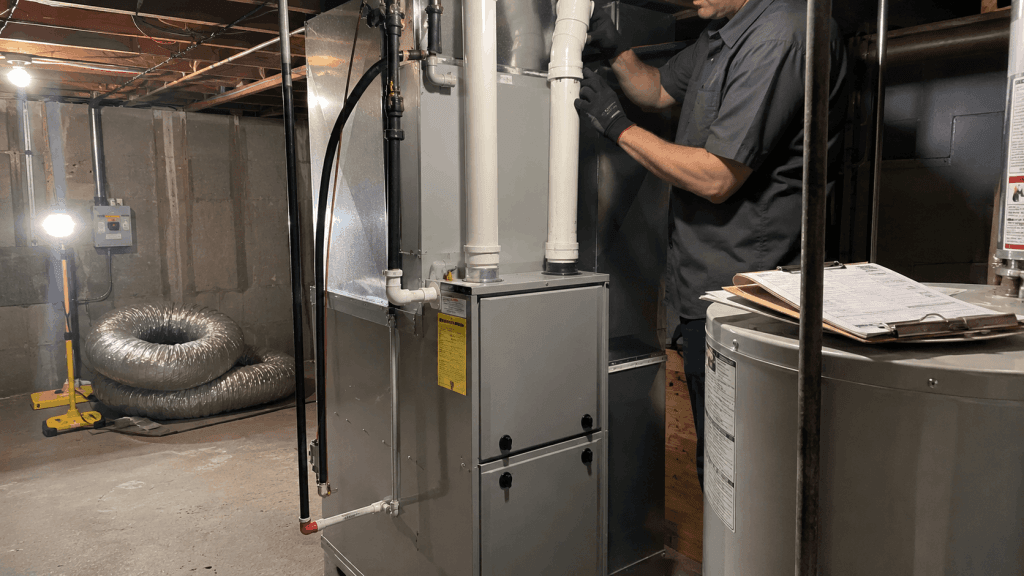
Do You Actually Need a Permit for HVAC Work in Indianapolis
Yes. In Indianapolis and Marion County, almost any construction activity tied to a heating, ventilation, or air conditioning system requires a mechanical permit. That includes replacing a furnace, installing a new central air conditioner, or swapping out a heat pump. It applies whether you’re doing a straight equipment swap or a full system replacement.
A lot of renovators assume that a “simple” like-for-like swap is exempt. Same size, same spot, no big deal, right? In reality, that exemption is rare. A handful of Indiana jurisdictions waive the permit for a true like-for-like replacement of identical equipment, but Indianapolis is not a place where you should assume that applies. The permit exists for a reason. Inspectors verify that gas lines, venting, refrigerant handling, and electrical connections are done safely. Improperly installed HVAC equipment is a leading cause of house fires and carbon monoxide poisoning, so the city takes it seriously.
If you only remember one thing, remember this. When in doubt, the project needs a permit, and a good contractor will confirm it for you before any work starts.
Which HVAC Projects Require a Permit
Here’s a quick reference so you can find your project. In Marion County, these jobs require a permit:
- New furnace installation, including a replacement of your existing unit
- New central air conditioner, including a replacement
- New heat pump installation
- Ductwork additions or major modifications
- Mini-split or ductless systems, which often need three separate permits
- Geothermal ground-source heat pumps, which also require an Indiana DNR water well permit
- Gas line extension or modification
A few smaller jobs do not require a permit:
- Filter replacement
- Thermostat swaps
- Routine maintenance and tune-ups
That mini-split detail surprises people. Homeowners assume a ductless system is “simple,” but a single install can require a mechanical permit for the line set and equipment, an electrical permit for the dedicated circuit, and a building permit if the installer cuts through an exterior wall. If a mini-split is part of your renovation, budget for all three.
Who Pulls the Permit, Your Contractor or You
This is where Indianapolis gets a little complicated, and it matters a lot for new homeowners weighing whether to DIY.
Indiana has no statewide HVAC contractor license. Licensing is handled locally, and Indianapolis runs a three-tier system:
- Class A covers sheet metal ductwork fabrication and installation
- Class B covers HVAC equipment installation and service
- Class D covers gas piping work
A full system replacement can touch all three. Swap the furnace, modify the ductwork, and reconnect the gas line, and you may be looking at work that legally requires multiple license classes. The permit application has to list the licensed contractor doing the work.
Most Indianapolis homeowners can pull their own mechanical permit for work on the home they live in. That sounds like a money-saver, but there’s a catch that stops most people cold. Anyone who handles refrigerant for a central AC, heat pump, or mini-split must hold EPA Section 608 certification. This is a federal rule with no homeowner exemption. You cannot legally buy or handle refrigerant without it. In practice, the only HVAC work most homeowners can fully self-perform is the kind that never touches refrigerant, like electric furnaces or ductwork.
For the vast majority of furnace and AC jobs, hiring a licensed, EPA-certified contractor isn’t just easier. It’s the only legal path.
Worried about whether your HVAC project is up to code?
RayMoore is a licensed, Carrier-certified team that has served Central Indiana for years. We know the Indianapolis permit process inside and out, and we pull the proper permits as a standard part of every install, so you’re protected from day one
What an Indianapolis HVAC Permit Costs
Good news for your renovation budget. Indianapolis keeps mechanical permit fees simple.
A standard mechanical permit for equipment replacement runs about $86 as a flat fee in Marion County. That covers a typical furnace, AC, or heat pump swap. If your project includes ductwork modifications, you may need an additional permit, so it’s worth asking your contractor for the full breakdown up front.
For context, fees across Indiana vary. Smaller cities and counties often charge somewhere between $50 and $150. Indianapolis sits comfortably in that range, and the flat-fee structure makes it easy to plan for. If the bigger equipment cost is the real question.
How the Permit and Inspection Process Works
The process is more straightforward than most homebuyers expect. Here’s how it flows in Indianapolis.
Step one, apply. Permits go through the Department of Business and Neighborhood Services. You or your contractor can apply online through the Citizens Access (Accela) portal, or submit at the City-County Building at 200 E. Washington Street. Mechanical permits move quickly because plan review is minimal. The inspector mainly needs to know what equipment is going in, where, and who’s installing it.
Step two, get the permit. Indianapolis often issues mechanical permits the same day or the next business day, especially online.
Step three, schedule inspections. Depending on the job, you’ll have one or two:
- A rough-in inspection if new gas lines, refrigerant lines, or ductwork are being run before walls close up. A straightforward swap in an accessible mechanical room often skips this.
- A final inspection to verify the finished install.
You can schedule inspections through the online portal or by calling the automated scheduling line at 317-327-5525, with general inspection questions handled at 317-327-8700. Plan on giving 24 to 48 hours’ notice.
Most HVAC replacements get permitted, installed, and inspected within a single week. For a renovation timeline, that’s rarely the bottleneck.
What the Inspector Actually Checks
It helps to know that the inspection is there to protect you, not to slow you down. For a furnace or AC replacement, the inspector looks at the things that keep your family safe:
- Combustion air. Gas furnaces need enough air to burn safely, which matters more in newer, tightly sealed homes.
- Venting. High-efficiency condensing furnaces typically vent through PVC pipe, while standard units use a metal flue. The inspector checks pitch, clearances, and that no shared vent is causing backdrafting.
- Gas connections. For gas appliances, expect a gas pressure test and a check for proper venting.
- Electrical and refrigerant. For AC and heat pumps, the inspector verifies the electrical disconnect and the refrigerant line connections.
One more Indiana-specific point. State law (IC 22-11-18) requires carbon monoxide detectors in any home with a fuel-burning appliance, including a gas furnace. If you’re replacing a furnace, it’s a smart time to confirm your CO detector coverage is current. New equipment also has to meet Indiana’s energy code, which is based on the 2021 IECC for Climate Zone 5, covering most of the state.
The Real Risks of Skipping the Permit
This is the part new homeowners need to hear, because the cost of skipping a permit shows up later, when it’s hardest to fix.
Insurance trouble. If an unpermitted furnace causes a fire or a carbon monoxide leak, your homeowner’s insurance may deny the claim because the work was never permitted or inspected. One denied claim dwarfs an $86 permit.
Stop-work orders. A contractor caught installing without a permit can be hit with a stop-work order and risk license suspension. That’s your project frozen mid-job.
Resale headaches. Indiana’s Residential Real Estate Disclosure Law (IC 32-21-5-10) requires sellers to disclose unpermitted work. An HVAC system that never passed a final inspection becomes a disclosed defect that can complicate or even kill a sale. If you bought a home with unpermitted work already in place, this is now your problem to untangle.
Retroactive permitting. Some jurisdictions let you permit already-installed equipment after the fact. You’ll usually pay the permit fee plus a penalty, and an inspector will examine the work. If it fails, you’re on the hook to bring it up to code.
Here’s the practical takeaway. A reputable contractor pulls the permit and schedules the inspection as a matter of course. If a contractor is pushing you to skip it to save a few dollars, treat that as a warning sign, not a favor.
How RayMoore Handles Permitting for You
For new homebuyers and renovators, the permit process is one more thing on an already long list. That’s exactly the part we take off your plate.
RayMoore is a licensed, Carrier-certified HVAC contractor that provides HVAC services across the Indianapolis area, from new installs to repair service. When we install or replace your system, pulling the correct permit and scheduling the inspection is built into how we work. You get equipment that’s installed to code, an inspection that protects your insurance and your resale value, and no guesswork about who’s responsible for the paperwork.
If you inherited a system you’re not sure about, or you’re planning an upgrade and want it done right the first time, we can help you sort it out.
Planning an HVAC upgrade in your new home?
Let a licensed local team handle the equipment and the permits so you don’t have to. RayMoore has earned dozens of five-star reviews across the Indianapolis area for getting it done right, serving Indianapolis, Greenwood, and Shelbyville.
Frequently Asked Questions
Do I need a permit just to replace an old furnace with the same size unit?
In almost all cases, yes. Indianapolis requires a mechanical permit for furnace replacement even when the new unit matches the old one. The rare like-for-like exemptions that exist in some Indiana areas should not be assumed in Marion County. Confirm with your contractor before work begins.
If I bought a house with an unpermitted HVAC system, what should I do?
Start by having a licensed contractor inspect the system. Many jurisdictions allow retroactive permitting, where you pay the permit fee plus a penalty and have an inspector verify the work. Getting it permitted protects you on insurance and removes a defect you’d otherwise have to disclose when you sell.
Can I pull the HVAC permit myself to save money?
Often yes for a primary residence, but with a major catch. You cannot legally handle refrigerant without EPA Section 608 certification, which rules out most AC and heat pump work for homeowners. The $86 permit savings rarely outweighs the risk of an improper install.
How long does the permit and inspection process add to my project?
Usually not much. Indianapolis frequently issues mechanical permits the same day or next business day, and inspections need only 24 to 48 hours’ notice. Most replacements are permitted, installed, and inspected within a week.
Will skipping a permit really affect my home insurance or resale?
Yes. Unpermitted work can lead to a denied insurance claim after a fire or CO incident, and Indiana law requires you to disclose it when selling, which can complicate or kill a deal. The small upfront cost of doing it right protects a much larger investment.
Don’t Stay in the Cold
Your comfort and safety are our top priorities. Don’t wait for the sun to come up while your home gets colder by the minute.