
If some parts of your commercial building feel too warm, too cold, stuffy, humid, or hard to keep comfortable, the issue may not be your thermostat. It may be airflow. Many building owners searching for air balancing services Indianapolis are trying to solve comfort complaints, rising utility costs, or HVAC performance issues that seem to keep coming back.
Commercial HVAC systems are designed to move a specific amount of air through each zone. When that airflow is off, the system may still run, but it will not perform the way it should. That can affect employee comfort, customer experience, tenant satisfaction, indoor air quality, and long-term equipment reliability.
What Is Commercial HVAC Air Balancing?
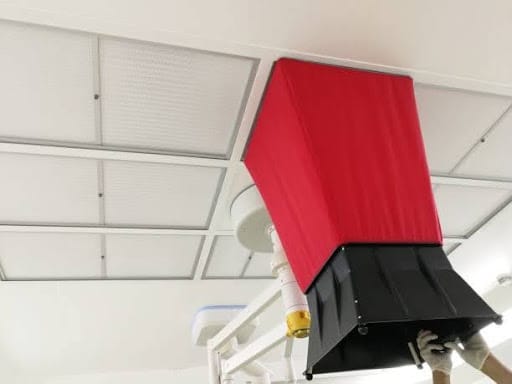
Commercial HVAC air balancing is the process of measuring, adjusting, and verifying airflow so each area of a building receives the right amount of conditioned air, return air, exhaust air, and ventilation air. In the HVAC industry, this is often part of testing, adjusting, and balancing, or TAB.
A professional air balancing process goes beyond opening and closing vents. Technicians measure airflow, compare results against system needs, check pressure conditions, and adjust dampers, fans, controls, and related components. UC Davis’ Western Cooling Efficiency Center describes TAB as a process where building air and hydronic flows are measured, adjusted, and documented to meet design specifications and support comfort, indoor air quality, and system energy efficiency.
For Indianapolis building owners, this matters because commercial buildings are more complex than homes. Offices, restaurants, retail spaces, schools, medical offices, warehouses, and mixed-use buildings often rely on rooftop units, split systems, VAV systems, exhaust fans, supply fans, and make-up air units. Raymoore Heating and Cooling’s commercial HVAC services include experience with these commercial system types.
How Does Air Balancing Work in a Commercial Building?
Air balancing starts with testing. A technician evaluates how much air is actually moving through the building, then compares those readings with what the system should be delivering. This may include checking supply airflow, return airflow, exhaust airflow, outside air, static pressure, fan performance, duct restrictions, damper positions, and zone conditions.
Once the measurements are taken, the technician makes targeted adjustments. That may include adjusting dampers, correcting fan speeds, addressing blocked returns, identifying dirty filters, checking belts, reviewing controls, or finding ductwork problems that prevent air from reaching the intended areas. In some buildings, the issue may be as simple as a closed damper. In others, it may point to a deeper maintenance, repair, or design issue.
Documentation is also important. A good air balancing visit should help the building owner understand what was measured, what was adjusted, and what problems may still need attention. ENERGY STAR recommends tracking actual equipment performance against expected performance as part of energy-focused operations and maintenance, which is exactly why airflow data is useful for commercial facilities.
Why Do Indianapolis Building Owners Need Air Balancing?
Building owners need air balancing because comfort problems are often airflow problems. A room that never cools properly may not be getting enough supply air. A conference room that feels stuffy may have poor ventilation or return airflow. A restaurant with pressure problems may have exhaust and make-up air that are not working together correctly.
Indianapolis buildings also deal with seasonal extremes. Raymoore notes that Central Indiana can experience humid 90-degree summers and winter temperatures that dip below zero, which puts extra strain on coils, motors, controls, and airflow performance. When airflow is already out of balance, those seasonal demands can make comfort complaints more noticeable.
Air balancing can also help uncover hidden HVAC problems. Raymoore’s article on hidden HVAC problems in Indianapolis explains that small inefficiencies can force equipment to work harder, raise utility bills, and become more noticeable during Indiana’s hot summers and freezing winters.
What Are the Signs Your Commercial HVAC System Is Out of Balance?
The most common sign is uneven comfort. If one office is freezing while another is too warm, the system may not be distributing air properly. This is especially common after tenant build-outs, new walls, layout changes, equipment replacements, or years of small adjustments that were never fully tested.
Other warning signs include:
- Weak airflow from certain vents
- Hot and cold spots between rooms or floors
- Stale or stuffy air complaints
- Doors that are hard to open or close because of pressure differences
- Excessive dust in certain areas
- Noisy ducts, whistling vents, or rushing air
- Humidity problems
- Equipment that runs longer than expected
- Rising utility bills without a clear reason
The EPA notes that indoor air quality problems are not limited to homes, and some office buildings may be inadequately ventilated because mechanical systems are not designed or operated to provide enough outdoor air. That does not mean every comfort complaint is an IAQ emergency, but it does show why airflow, ventilation, and HVAC operation deserve careful attention in commercial spaces.
Can Air Balancing Lower Commercial HVAC Costs?
Air balancing can help lower HVAC costs when poor airflow is causing the system to run longer, work harder, or condition the wrong areas. A balanced system is not a magic fix for every energy problem, but it can help commercial equipment operate closer to its intended performance.
For example, if one area is under-supplied, occupants may lower the thermostat to compensate. That can overcool other zones, increase runtime, and create new comfort complaints. If return airflow is restricted, the system may struggle to move air efficiently. If exhaust and make-up air are not aligned, the building may pull in unwanted outdoor air through gaps, doors, or envelope leaks.
The Department of Energy describes properly planned operations and maintenance as one of the most cost-effective ways to support equipment longevity, reliability, safety, and energy efficiency in commercial buildings. Air balancing fits into that larger strategy because it helps owners move from guessing to measuring.
When Should You Schedule Air Balancing?
Schedule air balancing when your building has persistent comfort issues, unexplained airflow problems, or energy increases that basic maintenance has not solved. It is also smart after any change that affects how air moves through the building.
Common timing includes:
- After new commercial HVAC installation
- After rooftop unit replacement
- After ductwork changes
- After office renovations or new interior walls
- After tenant build-outs
- After restaurant exhaust or make-up air changes
- When one zone receives constant complaints
- When a maintenance visit identifies airflow problems
Air balancing is especially useful during commissioning, after retrofits, and when evaluating existing buildings. UC Davis notes that building owners can benefit from TAB during new building commissioning and periodically for existing buildings because it supports HVAC efficiency, occupant well-being, and required ventilation rates.
If the problem appears during a seasonal tune-up, Raymoore’s preventative HVAC maintenance can help identify issues such as clogged filters, dirty components, loose electrical connections, refrigerant concerns, and airflow restrictions before they turn into larger repairs.
What Should Building Owners Ask Before Hiring an Air Balancing Contractor?
Building owners should ask whether the contractor has commercial HVAC experience, understands the equipment in the building, and can diagnose related system issues. Air balancing often reveals problems that require repair, maintenance, or system adjustment, so it helps to work with a team that can look beyond the vent.
Good questions include:
- Do you work on commercial HVAC systems?
- Can you evaluate rooftop units, split systems, VAV systems, exhaust fans, and make-up air units?
- Will you measure airflow instead of relying only on visual inspection?
- Can you explain what the readings mean?
- Can you identify maintenance or repair issues affecting airflow?
- Do you offer emergency support if the system needs urgent service?
Raymoore provides commercial HVAC repair and 24/7 emergency HVAC service, which is helpful when airflow testing uncovers a system problem that needs fast attention. For ongoing support, a Raymoore HVAC service agreement includes professional inspections, routine tune-ups, priority service, and airflow-related maintenance steps such as filter replacement and blower adjustment.
FAQ
How often should a commercial HVAC system be air balanced?
A commercial HVAC system should be air balanced after installation, major repairs, renovations, tenant layout changes, or recurring comfort complaints. Existing buildings may also benefit from periodic airflow evaluation, especially if the system has changed over time or no current balancing documentation is available.
Is air balancing the same as HVAC maintenance?
No. HVAC maintenance focuses on keeping equipment clean, safe, and reliable. Air balancing focuses specifically on measuring and adjusting airflow. The two services work well together because maintenance issues such as dirty filters, worn belts, blocked coils, or blower problems can affect airflow.
Can air balancing fix hot and cold spots?
Yes, air balancing can often reduce hot and cold spots when the issue is caused by incorrect airflow distribution. However, if the problem comes from undersized equipment, poor insulation, duct damage, control issues, or a failing component, additional repair or system correction may be needed.
Do restaurants need air balancing?
Yes, restaurants often need air balancing because exhaust fans, kitchen hoods, and make-up air units must work together. If exhaust removes more air than the building replaces, the restaurant may develop pressure problems, uncomfortable dining areas, odors, or doors that are difficult to open.
How long does commercial air balancing take?
The timeline depends on building size, system complexity, number of zones, equipment access, and whether the technician discovers repair issues. A small office may take less time than a multi-zone commercial building with rooftop units, VAV boxes, exhaust fans, and make-up air equipment.
Should air balancing be done after HVAC replacement?
Yes. HVAC replacement can change airflow conditions, especially if equipment capacity, fan settings, duct connections, or controls are different. Balancing helps confirm the new system is delivering air properly throughout the building.
Better Airflow Starts with the Right Diagnosis
Air balancing helps commercial building owners understand what is actually happening inside their HVAC system. Instead of guessing why one room is uncomfortable or why equipment keeps running, airflow testing provides measurable information that can guide better decisions.
For Indianapolis buildings, this is especially important because seasonal weather puts strong demands on heating, cooling, ventilation, and humidity control. When airflow is balanced, your HVAC system can do a better job supporting comfort, efficiency, indoor air quality, and long-term reliability.
Why Raymoore Heating and Cooling is Your Ideal Choice for Air Balancing Services in Indianapolis?
Raymoore Heating and Cooling understands that commercial comfort depends on more than equipment alone. Airflow, ventilation, controls, maintenance, and system design all affect how your building feels and performs. With experience servicing rooftop units, split systems, VAV systems, temperature controls, exhaust and supply fans, and make-up air units, Raymoore is equipped to help building owners address airflow problems with a practical, commercial-focused approach.
Raymoore is also rooted in the Indianapolis area, with a headquarters listed at 8442 Brookville Road and service availability for Indianapolis and surrounding Central Indiana communities. The company offers 24/7 emergency service, making it a reliable partner when comfort issues become urgent. Whether your building needs airflow evaluation, preventative maintenance, repair, or a long-term service plan, Raymoore helps you get ahead of problems before they turn into costly disruptions.
Get More Balanced Comfort with Raymoore Heating and Cooling
Ready to solve uneven temperatures, weak airflow, or recurring commercial HVAC complaints? Contact Raymoore Heating and Cooling or call 317-418-2961 to schedule a commercial HVAC airflow evaluation in Indianapolis.